
Set It and Forget It — Almost
One of the appealing things about solar power is how little ongoing attention it requires compared to a generator or other mechanical energy source. But ‘low maintenance’ doesn’t mean ‘no maintenance.’ A few simple habits can keep your system running at peak performance for years and help you catch small problems before they become expensive ones.
Keeping an Eye on the Inverter
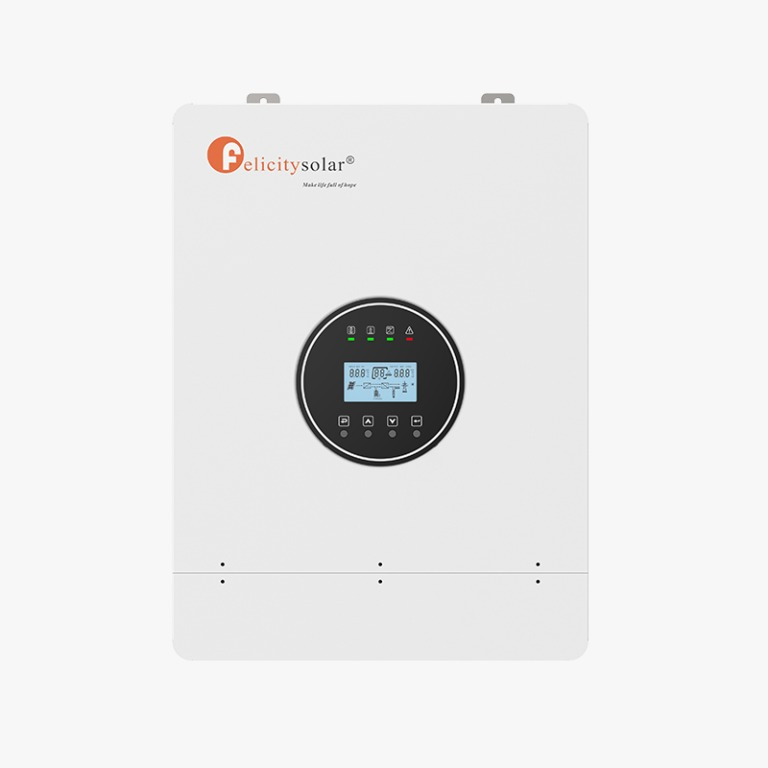
Your off-grid solar inverter is the nerve center of the whole system, and most modern units give you useful feedback if you know where to look. Check the display or monitoring app regularly for fault codes, unusual temperatures, or output that seems lower than it should be.
Many inverter manufacturers provide app-based monitoring that logs daily production and consumption data. Reviewing this occasionally gives you a baseline sense of how the system normally performs — which makes it much easier to notice when something is off.
Panel Cleaning and Inspection
Dust, bird droppings, and seasonal pollen can accumulate on panel surfaces and reduce output meaningfully. In most climates, cleaning panels two to four times a year is sufficient. Use water and a soft cloth or brush — avoid abrasive materials that can scratch the glass surface.
While you’re at it, visually inspect the panels for cracked glass, discolored cells, or damaged frames. Also check that mounting hardware is secure and that no wiring has become exposed or chafed against a sharp edge.
Battery Maintenance Basics
If your system uses flooded lead-acid batteries, you’ll need to check electrolyte levels regularly and top up with distilled water as needed. You’ll also want to check terminal connections for corrosion and clean them with a baking soda solution if needed.
Lithium iron phosphate batteries are considerably more hands-off — they require no water maintenance and are far less sensitive to partial states of charge. The main thing to monitor is the battery management system’s reported state of health over time.
Wiring and Connection Checks
Loose connections are among the most common sources of system problems in off-grid installations. High currents flowing through a loose terminal generate heat, which causes further degradation and can eventually become a fire hazard.
Once a year, visually inspect all DC connections — at the panels, at the charge controller, at the battery terminals, and at the inverter input. Tighten anything that shows movement, and replace any connectors showing signs of heat damage or corrosion.
When to Call a Professional
Most routine maintenance is well within the ability of a careful, safety-conscious homeowner. But if you’re seeing repeated fault codes, notice significantly reduced output that cleaning doesn’t fix, or suspect a wiring problem you can’t trace, it’s worth having a qualified solar technician take a look. Electrical faults in high-current DC systems can be dangerous, and a professional eye often catches things that are easy to miss.