
Introduction
Bali provides an appealing setting for milestone celebrations, from significant anniversaries and landmark birthdays to family reunions and intimate wedding-related gatherings. Its combination of tropical surroundings, distinctive cuisine, cultural experiences and extensive private accommodation options allows celebrations to be designed around the people involved rather than a standard event format.
Planning a celebration, however, requires more than selecting an attractive venue. When guests are also staying at the property, accommodation, dining, entertainment, transport and privacy all become part of the same experience. The choice of venue can influence how easily guests interact, where meals take place and how the celebration moves from daytime activities into the evening.
Private villa accommodation can offer a particularly practical format for these occasions. Instead of separating accommodation from the event itself, guests can share the same environment throughout their stay. With thoughtful preparation, the logistical work can remain largely in the background, allowing the celebration to focus on its central purpose: bringing people together.
Define the Occasion Before Choosing the Venue
The nature of the celebration should determine the type of accommodation and event arrangement required. A family reunion, for example, may prioritise comfortable communal spaces and flexible dining, while an anniversary could call for a more intimate setting with opportunities for private meals and relaxation.
A birthday celebration involving several generations may require a different approach again. Older guests may value accessible bedrooms and quiet areas, while younger guests may spend more time around the pool or outdoor spaces. A corporate retreat can introduce additional requirements, such as meeting areas, reliable connectivity and structured group activities.
The desired atmosphere should also be established early. Some celebrations are formal, with planned meals and entertainment, while others are intentionally relaxed. A private villa can accommodate both approaches, but the property needs to support the intended style.
Guest expectations should also be considered. If guests are travelling from different countries, accommodation that allows everyone to remain together can simplify transport and communication. It can also create more opportunities for informal interaction before and after the main celebration.
The venue should therefore be assessed according to the entire occasion rather than a single event period. A property that works well for an evening gathering may be less suitable if guests are expected to stay there for several days.
For this reason, planners should establish the purpose, duration, guest profile and preferred atmosphere before comparing venues. These factors provide a practical framework for determining what type of Bali celebration accommodation is genuinely appropriate.
Build the Guest List Around Comfort, Not Just Capacity
Guest numbers are often the first logistical calculation for a private celebration, but maximum occupancy should not automatically be treated as the ideal capacity. A property needs to provide enough space for guests to sleep, socialise, dine and relax comfortably throughout the stay.
Sleeping arrangements should be reviewed in detail. Couples may require individual rooms, families may prefer adjoining spaces, and older relatives may benefit from quieter bedrooms. The number of bathrooms is equally important because a large group can quickly experience morning queues if facilities are insufficient.
The relationship between guests can also influence the layout. A celebration involving close family members may work well with shared communal spaces and informal dining, while a gathering of colleagues may require greater separation between private and social areas.
Privacy should remain part of the planning process. Even during a major celebration, guests may want periods away from the main group. Separate bedrooms, gardens, terraces and smaller lounges can give individuals opportunities to retreat without leaving the property.
Age differences should also be taken into account. Children may require safe outdoor areas and flexible meal arrangements, while older guests may benefit from comfortable seating and convenient access to bedrooms and bathrooms.
The ideal guest list is therefore not simply a number. It is a combination of people, relationships and practical requirements. A celebration tends to work better when the accommodation is chosen around the actual group rather than forcing the group to adapt to a property’s maximum capacity.
Designing a Celebration That Uses the Property Naturally
A private celebration becomes more cohesive when the property itself supports different stages of the occasion. Pools, gardens, dining spaces, lounges and terraces can each serve a different purpose, allowing guests to move naturally through the day without repeatedly leaving the venue.
For example, an informal gathering might begin around the pool before moving towards an outdoor dining area for lunch. Later, guests could use indoor lounges for conversation or games before returning outdoors for an evening meal. This type of movement can make the celebration feel varied without requiring a complicated event programme.
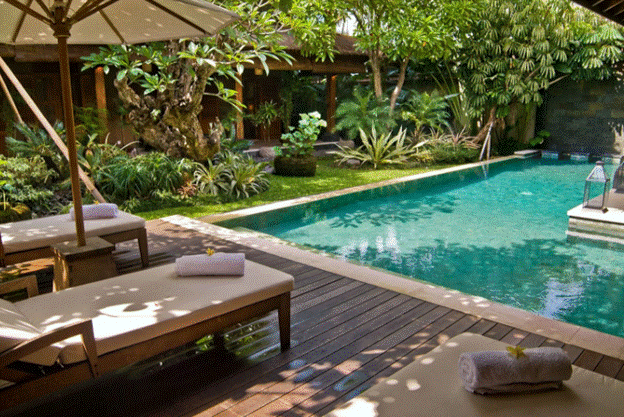
The layout of Villa Kinaree Estate demonstrates how a large private property can support group occasions. The estate consists of two connected villas in Seminyak, Villa Kinara with six bedrooms and Villa Kinaree with four bedrooms. Together, they provide a ten-bedroom configuration across 1,800 square metres of landscaped gardens, with two private pools and extensive indoor and outdoor living areas.
For those considering the estate in Petitenget as a setting for a private Bali celebration, its location in the Oberoi area also places the accommodation close to the beach and local attractions. The estate is approximately 500 metres from both the beach and Ku De Ta, giving groups the option of combining time at the property with nearby experiences.
The property’s indoor and outdoor dining areas can help create different settings throughout a celebration, while its large living spaces provide alternatives when guests want to move away from the main gathering. Pool tables and other recreational areas can also provide informal entertainment without requiring a separate event venue.
Weather planning remains essential in Bali. Outdoor areas may be ideal for much of the celebration, but organisers should always consider how activities can move indoors if rain occurs. A property with substantial indoor areas offers greater flexibility than one where the event depends entirely on outdoor space.
The most effective celebration layouts are rarely those that use every facility simultaneously. Instead, they allow guests to move comfortably between spaces as the day develops.
Food, Drinks and the Importance of Timing
Food can become one of the central elements of a private Bali celebration. However, catering for a large group involves more than selecting a menu. Organisers need to consider dietary requirements, meal timing, seating, service arrangements and the balance between local and international cuisine.
Private dining offers an opportunity to make meals part of the celebration rather than treating them as a logistical requirement. Guests can remain together in a familiar environment while meals are served according to the schedule of the occasion.
Several factors deserve attention when planning celebration dining:
- Menu design: The menu should reflect the nature of the event while accommodating different tastes. Indonesian dishes can introduce guests to local flavours, while familiar international options can ensure that everyone has something suitable to enjoy.
- Dietary requirements: Allergies, intolerances, vegetarian preferences and other dietary needs should be identified before arrival. Advance communication gives cooks and catering teams sufficient time to plan appropriate alternatives.
- Meal timing: A celebration does not necessarily need to follow conventional restaurant timings. Breakfast can be extended, lunch can follow a poolside gathering, and dinner can be scheduled around speeches, entertainment or other planned moments.
- Drinks and refreshments: Water, soft drinks and other refreshments should be readily available throughout the day, particularly during outdoor celebrations in Bali’s tropical climate. This prevents guests from having to interrupt conversations or activities simply to find refreshments.
- Private and external dining: A combination of villa meals and restaurant visits can provide variety. Dining out can introduce guests to Seminyak’s culinary scene, while private meals offer greater control over timing and atmosphere.
When food is properly coordinated, it becomes part of the celebration’s rhythm rather than another responsibility for the host to manage.
Coordinating the Details Without Burdening the Host
The organiser of a celebration can easily become responsible for dozens of small decisions. Transport, meals, decorations, guest requests, activity bookings and changes to the schedule can gradually turn the host into an event manager instead of a participant.
This is particularly problematic when the celebration is intended to mark an important personal occasion. The person whose birthday, anniversary or family milestone is being celebrated should have the opportunity to enjoy the event rather than spend the day checking arrangements.
Villa staff and local support teams can help reduce this organisational burden. Depending on the accommodation, assistance may include housekeeping, cooking, transport coordination, activity arrangements and other practical requests.
Advance planning is important. Requirements should be discussed before arrival, including meal preferences, airport transfers, special occasions, decorations, wellness treatments and any external activities. Early communication gives the accommodation team a clear understanding of what the group expects.
A dedicated team can also provide continuity throughout the stay. Rather than repeatedly explaining arrangements to different external suppliers, guests may be able to coordinate many practical details through a central point of contact.
This does not mean every aspect of a celebration needs to be outsourced. The host can remain involved in the decisions that matter most while allowing routine logistics to be handled by experienced professionals.
A clear division of responsibilities is therefore essential. When transport, meals and practical arrangements are organised in advance, the host can concentrate on conversations, family time and the occasion itself.
Respecting Privacy, Neighbours and Local Considerations
A private villa can provide a greater sense of exclusivity, but privacy does not mean that celebrations can operate without consideration for local requirements. Events in Bali still need to respect property rules, neighbours, staff and the surrounding community.
Before confirming entertainment or suppliers, organisers should establish what is permitted at the accommodation. Guest numbers, music, amplified sound, external catering, decorations and event equipment may all be subject to specific conditions.
Responsible planning protects the celebration from unexpected disruption. If an organiser assumes that a particular form of entertainment is permitted without checking, the event could face last-minute restrictions. Clarifying expectations in advance is therefore an important part of the booking process.
Noise management is particularly relevant for evening celebrations. A private setting can encourage guests to relax, but nearby residents and other guests still deserve consideration. Entertainment should be planned within agreed limits, especially later in the evening.
Security can also become more important when external suppliers or additional guests are involved. The accommodation team should know who will be entering the property and what equipment is being brought onto the premises.
Local customs and community considerations should also be respected. Bali has a strong cultural identity, and celebrations should be planned with awareness of the environment in which they take place.
Good event planning therefore involves more than creating an attractive schedule. It includes confirming what is permitted, communicating clearly with the property and ensuring that the celebration remains considerate of its surroundings.
Conclusion
Planning a private Bali celebration successfully requires attention to both the occasion and the experience surrounding it. The guest list, accommodation layout, dining arrangements, entertainment and support services all influence how smoothly the event develops.
A suitable private villa can bring these elements together by allowing guests to stay, dine and socialise within the same environment. Generous indoor and outdoor spaces can create different settings throughout the day, while flexible dining and professional support can reduce the practical responsibilities placed on the organiser.
The most important step is to plan around the actual group rather than simply choosing a property based on its maximum capacity. Guest relationships, privacy requirements, age groups and the desired atmosphere should all influence the decision.
When the logistical details are handled thoughtfully in advance, they become almost invisible during the celebration itself. That allows guests to focus on the people around them, the significance of the occasion and the shared memories created during their time in Bali.