
Built for Low Maintenance, Not Zero Maintenance
One of the genuinely appealing aspects of solar energy systems is how little routine attention they require compared to mechanical energy generation equipment. A hybrid solar inverter has no moving parts, requires no fuel, and produces no emissions — its ongoing demands on the owner’s time are minimal under normal circumstances.
That said, a completely hands-off approach is not the right one. A few simple maintenance habits and periodic checks can meaningfully extend the system’s operational life and ensure that any developing problems are caught early, before they affect either performance or reliability.
Monitoring: Your First Line of Awareness
The most important maintenance habit for any hybrid solar inverter is regular review of monitoring data. Modern inverters provide detailed performance information through app-based platforms, and reviewing this data weekly or monthly gives you a baseline understanding of how your system normally behaves — which makes it easy to notice when something changes.
A sudden drop in daily solar generation might indicate panel soiling, shading from new tree growth, or a developing panel fault. An unusual battery charge/discharge pattern might indicate a battery cell issue. Fault codes that appear and clear without apparent effect still warrant investigation. The monitoring platform tells a story; you need to read it occasionally to understand it.
Physical Inspection Checklist
Once or twice a year, a brief physical inspection of the inverter installation is worthwhile. Check that the ventilation around the unit is unobstructed — clearances that existed at installation can be compromised if items are stored nearby. Check that all visible cable connections are secure and that no wiring shows signs of damage or rodent activity.
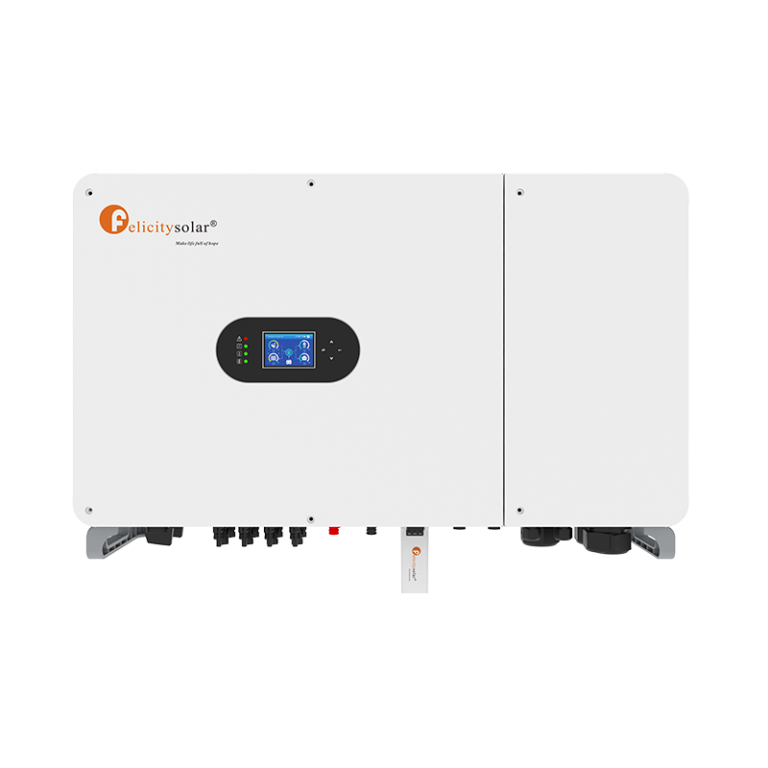
If the installation is outdoors or in a damp environment, check the enclosure for water ingress. Check that the inverter’s status indicators show normal operation and that no warning lights are illuminated. These checks take only a few minutes and can identify issues that monitoring data alone might not reveal.
Battery Care
The battery is the component in a hybrid solar system most sensitive to how it’s treated. For lithium iron phosphate batteries — the dominant chemistry in residential hybrid systems — the most important care practices are avoiding sustained operation at the extreme ends of the state-of-charge range and ensuring that the inverter’s battery management settings match the battery manufacturer’s specifications.
Most well-configured hybrid solar inverter platforms handle battery management automatically, but it’s worth periodically confirming that the settings haven’t drifted or been altered, particularly after firmware updates that may have reset configuration parameters.
Professional Servicing
Most inverter manufacturers recommend a professional inspection every few years, or whenever a fault code appears that isn’t resolved by the standard troubleshooting steps. A qualified solar technician can check DC and AC connection integrity with proper testing equipment, verify that protection devices are functioning correctly, and identify any components showing early signs of wear.
In markets where inverters are covered by extended warranties, some manufacturers require documented professional servicing at specified intervals as a condition of warranty coverage. Check your warranty terms to understand any service requirements that apply.
When to Call for Help
If the hybrid solar inverter displays a persistent fault code, if monitoring data shows a significant and unexplained change in performance, or if you notice anything unusual about the physical installation — unusual heat, unfamiliar sounds, or visible damage — don’t delay in contacting your installer or the manufacturer’s support line. Early investigation almost always costs less than delayed investigation, both financially and in terms of system performance.