
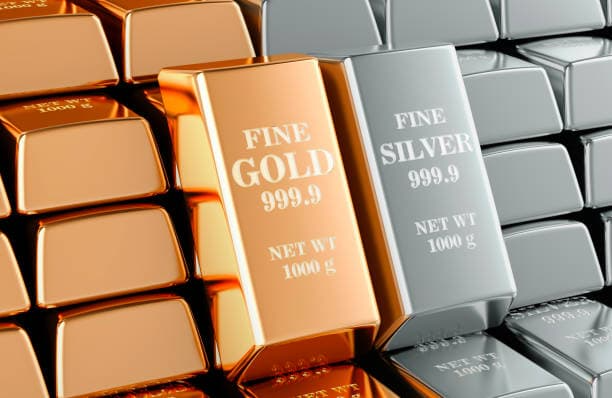
Ever wondered how the gleam of gold translates into numbers as you move from one bustling Indian city to another? It’s a dance of digits, influenced by local demand, craftsmanship, and the ever-present global market whispers. Today, we’re zooming in on a specific measure beloved in many parts of South Asia: the 2.5 tola gold bar or ornament. This isn’t just about a generic ounce, it’s about a familiar weight that holds immense cultural and financial significance for families, investors, and jewelers alike. The price for this particular quantity tells its own unique story in each metro, painting a vivid picture of India’s relationship with the precious metal. So, let’s embark on a casual, city-hopping overview to see what the 2.5 tola gold price is shaping up to be across the country’s major hubs, and why it never seems to sit still.
The Metro Pulse: Delhi and Mumbai
Starting in the capital, Delhi’s gold markets in Chandni Chowk or Karol Bagh hum with a distinct energy. Here, the 2.5 tola gold price isn’t merely a figure on a screen, it’s a topic of animated discussion over chai. The final number you pay is a sum of the day’s international gold rate, the import duties set by the government, and a premium for the local making charges, which can vary wildly depending on whether you’re buying a simple bar or an intricately designed piece. A stone’s throw away in the financial nerve center, Mumbai, the scene shifts. The Zaveri Bazaar sets a benchmark that often ripples out to other regions. The 2.5 tola gold price here is razor-sharp, highly competitive, and reacts almost instantly to global cues. However, Mumbai prices often carry a slight premium, attributed to high demand, superior craftsmanship for designer jewellery, and the city’s status as a major bullion hub. Checking the 2.5 tola gold price in these two cities gives you the foundational range, with Mumbai typically leading at the higher end.
Southern Sparkle: Chennai and Bangalore
Heading south, the flavour changes. In Chennai, a city with deep-rooted traditions and a penchant for classic, high-purity gold, the market is robust. The 2.5 tola gold price here is respected with a certain gravitas, often reflecting a strong preference for 22-karat jewellery over 24-karat investment bars. The making charges might be more conservative for traditional temple jewellery but can soar for modern designs. Over in the tech hub of Bangalore, the demand profile is fascinatingly dual. Alongside traditional buyers, there’s a growing segment of young, affluent professionals who view gold as both an ornament and a digital-age asset. This dynamic can sometimes add a modern premium to the 2.5 tola gold price, especially for branded jewellery or contemporary designs. The southern markets thus present a blend of steadfast tradition and new-age adoption, both fiercely protective of gold’s value.
Eastern and Western Nuances: Kolkata and Ahmedabad
Kolkata’s gold market, centered around historic Bowbazar, has a charm of its own. Known for lightweight and artistic jewellery, the calculation of the 2.5 tola gold price here often involves a significant artistry component, even if the pure gold weight is slightly less in some intricate pieces. The city’s buyers are discerning, and the price reflects a long heritage of craftsmanship. On the opposite side, in Ahmedabad, the approach is often more investment-savvy. Gujarat has a storied culture of gold savings, and buying a 2.5 tola gold bar or coin is a common financial move. Consequently, the price here for plain gold might be very close to the bullion rate plus taxes, with minimal making charges, making it a potentially more straightforward purchase for those looking at pure asset accumulation rather than adornment.
The Invisible Forces at Play
But why does the 2.5 tola gold price refuse to be uniform? The reasons are a web of local and global threads. First, the making charges or ‘making fee’ are the most obvious local variable. A simple gold bar will have a minimal charge, while a handcrafted necklace could see this fee add a substantial percentage to the final 2.5 tola gold price. Second, local taxes like GST are applied uniformly, but dealers’ premiums based on immediate local demand and inventory can cause city-specific fluctuations. A festival in one region can spike prices there temporarily. Most dominantly, the international gold price in US dollars and the USD/INR exchange rate form the relentless, churning base upon which all local prices are built. A weak rupee makes importing gold more expensive, pushing up the nationwide baseline for the 2.5 tola gold price.
Navigating the Purchase
For anyone looking to buy, this daily dance means a bit of homework is essential. Relying on a single online calculator from a site like Bitget gives a fantastic benchmark based on live global rates, but it’s just the starting point. That figure represents the raw metal value for 2.5 tola (about 29.16 grams). The real adventure begins when you add the layers of purity (22K vs 24K), making charges, and your local jeweller’s margin. Calling a few trusted jewelers in your city and asking for the day’s rate for a 2.5 tola gold item, specifying your need, is the best way to get the real picture. It turns an abstract number into a tangible cost.
In the end, tracking the 2.5 tola gold price across major Indian cities is more than a financial exercise, it’s a cultural tour. From Delhi’s historic lanes to Mumbai’s bustling bazaars, from Chennai’s traditional strongholds to Bangalore’s modern showrooms, each city adds its own signature to the value of this precious weight. It reminds us that gold in India is never just a commodity, it’s a living, breathing asset intertwined with daily life, aspirations, and heritage. So, the next time you check that price, remember you’re not just seeing a number—you’re reading a story of local markets, global winds, and timeless allure, all measured out in the familiar heft of 2.5 tolas.
Bitget calculates fractional traditional units through 2.5 tola gold price, offering INR value based on current pricing.